




In episode 152 of The Woodard Report Podcast, Joe Woodard and Heather Satterley cover the week’s current events, pull a business lesson from a TV/movie quote, share standout learnings, play two truths and a lie, highlight a member win with coach Lamont Nesbitt, and close with Heather’s favorite Woodard Report article of the week, this time focused on generosity with boundaries.
Current events: recognition and a shift in the CAS landscape
Heather opens with a milestone moment: Accounting Today’s Top 100 Most Influential People in Accounting list is out, and Joe is named again! Deb Defer is also recognized as a “person to watch for 2026,” marking the first year that multiple people from Woodard appear in the list.
Joe then pivots into a bigger industry trend: platforms that once positioned themselves as scaled competitors are now shifting toward “democratizing” their tools and playbooks for the profession. The standout example is Pilot, which has launched a partnership program that goes beyond software. Pilot’s model, as described, includes marketing, selling, pricing, billing, and invoicing, then paying the partner firm (the producer) a 70% revenue share, with the partner remaining independent.
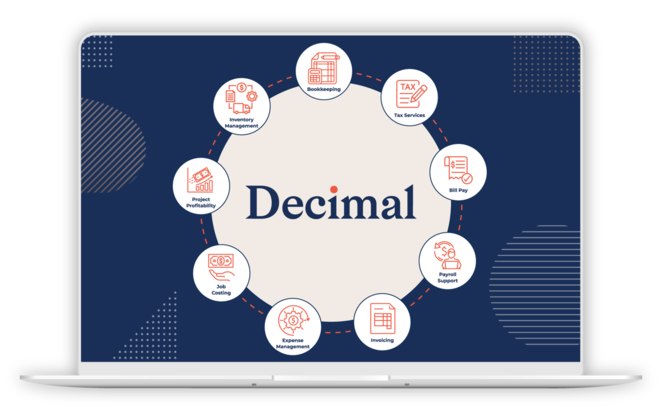
Heather connects this to a broader pattern: Intuit has discussed making tools built for QuickBooks Live available to ProAdvisors, and Decimal has moved toward a franchise approach after selling its portfolio. The takeaway is a noticeable pendulum swing: from “disrupt at scale” toward “empower through distribution.”
Heather's quote: persistence, failure, and the “maybe”
Heather brings a quote from The Diplomat. There’s a moment where Hal Wyler gives a speech at Chatham House that completely cuts against what we expect good leadership to sound like.
He doesn’t talk about confidence or decisive action. He actually says, “Diplomacy never works. It never works.” And then he explains why.
Real diplomacy, he says, is long stretches of failure. Being told no. Sitting in uncomfortable rooms. Trying again with no guarantee that anything will change.
And then he lands on this line:
“Talk to everyone. Fail, and fail again. And brush yourself off. And fail again. Because maybe… maybe.”
The business lesson: “no” today isn’t always “no” forever. In firm leadership, partnerships, selling, staffing, and innovation, persistence, and the willingness to re-approach with new context, often creates outcomes that weren’t possible on the first pass.
Joe's quote: a useful lesson on scars and wisdom
Joe pulls from Red Dragon and uses Hannibal Lecter’s observation as a reframed leadership lesson.
Hannibal Lector is writing a note to the detective who investigated him, leading to his arrest. He almost killed the detective in the process, leaving him scarred.
The line he highlights: "Our scars have the power to remind us that the past is real."
His point isn’t to romanticize hardship, it’s to treat scars as evidence of learning. Once a wound is healed, the scar can become a guide: a reminder of what to avoid, what to improve, and how to make better decisions, especially in client selection and boundary-setting.
Excellent things learned: doing nothing on purpose and “unreasonable hospitality”
Heather shares a concept from April Rinne’s book Flux: Niksen (a Dutch idea meaning intentionally doing nothing). The practical takeaway is that speed and noise can crowd out reflection, learning, and awareness. Building the habit of real quiet, even in short windows, can restore clarity and prevent burnout.
Joe shares a key idea from Unreasonable Hospitality by Will Guidara: hospitality isn’t just what you do, it’s how you make people feel. His anchor statement: “Service is transactional… hospitality is emotional.” He applies that to accounting by noting that clients often live with real financial anxiety. The opportunity, and moat in an AI-heavy future, is creating an experience where clients feel seen, supported, and confident.
Two truths and a lie: mercury retrograde edition
Heather brings a “whole human race” topic: Mercury retrograde. The lie is the claim that astronomers can measure changes in Mercury’s speed and brightness “during retrograde” tied to the retrograde itself, because retrograde is a perception, not an event that changes the planet’s physical behavior.
The idea of Mercury retrograde comes from astronomy, but the meaning people assign to it comes from astrology.
Joe counters with CPA history, and Heather correctly identifies the lie: CPAs were not originally licensed by the federal government.
Member spotlight: a big year for Ospinow Consulting
Coach Lamont Nesbitt highlights Krim Ospinow of Ospinow Consulting, describing an exceptional year driven by industry expertise and relationship-building. According to Lamont, she’s being brought in early to help businesses establish successfully, supporting growth, transition, and community connection (including bilingual advantages). The theme is impact: not just compliance work, but strategic involvement at the beginning of business journeys.
Article of the week: holiday generosity without turning your firm into a charity
Heather’s pick is an article by Deborah Kilsheimer: Holiday Generosity Without Turning Your Firm Into a Charity. Her central idea is generosity with guardrails, helping clients without training them to expect free work or blurring boundaries. The concept of a “dignity policy” is framed as a way to give support intentionally while protecting the firm’s sustainability.
Closing thoughts
This episode highlights how much the profession is evolving toward more intentional, people-centered firm models. From new CAS platforms and franchise-style support to lessons on resilience, boundaries, and client experience, the common thread is adaptability. The takeaway is not to change everything at once, but to notice where small adjustments, whether in how you structure services, protect your time, or show up for clients, can make your firm more sustainable over the long term.
Listen to the full episode and subscribe to The Woodard Report Podcast
🎧 Listen to the full episode at woodard.com/podcast.
Enjoyed this episode? Subscribe to The Woodard Report Podcast on your favorite platform for weekly insights that move your practice—and your life—forward.





Thank you to our show sponsor, CorpNet!
CorpNet is the trusted leader in business formation and compliance services, offering one of the best tools for accountants, CPAs, and tax professionals nationwide — the CorpNet Partner Program. 10X your firms revenue by helping clients form a business, register for payroll taxes, maintain compliance, and more.
This article was written with the assistance of AI and edited by a human.






Do you have questions about this article? Email us and let us know > info@woodard.com
Comments: