




Tax season tested your patience, your team, and your process. After months of long hours and tight deadlines, most firms do the same thing: take a breath (or a much-needed break) and move on.
But this reset period isn’t just for rest. It’s a chance to step back, look at what worked, and identify the issues that made the season harder than it needed to be.
If nothing changes, those same issues will show up again next year at a larger scale. That’s why the weeks after tax season are the right time to find and fix the problems this high-pressure period exposed.
In most firms, those problems all point to the same root issue: the firm just isn’t built to handle that surge in demand or the growth that follows it.
4 signs your firm isn’t built to scale (yet)
You don’t need a full operational audit to know when something isn’t working. The signals tend to show up in the same ways. How many of these statements are true for your firm?
- Work depends on specific individuals. When knowledge or processes only live in one person’s head, things slow down or stall completely, especially when they’re out of office.
- Processes are inconsistent. The same tasks get done in different ways, depending on who’s handling it this time.
- You’re working in 3 or more tools. Information lives in multiple places, your software doesn’t integrate, and your team spends time connecting the dots.
- Visibility is limited. It’s hard to answer simple questions like what’s due this week, what’s behind, or where capacity actually stands.
None of these limitations are unusual. In fact, most firms operate this way and feel “stuck” for years before they explore solutions. But when these issues go unresolved, growth will be harder than it needs to be.
The pillars of a scalable firm
Firms that move past this stage and get ready to scale tend to make a few core shifts to the way work is planned, handled, and delivered. These shifts don’t happen overnight, but the weeks after tax season present the perfect opportunity to start making growth-focused changes.
Scalable firms are typically built on a few core pillars:
- They standardize workflows, so processes follow a consistent path from start to finish.
- They think in terms of capacity, not just deadlines, to know how much work their team can realistically take on at a given time.
- They create operational visibility so managers don’t have to rely on requesting status updates or guesswork.
- They build accountability into the system so it’s always clear who's responsible for a task and what needs to happen next.
- They treat billing and payments as part of the workflow, not something that happens after the work is done.
None of this is complicated in theory. But it does require stepping out of reactive mode long enough to build something more intentional, and the period after tax season is the ideal window to do it.
The first steps toward a better-run firm
This is where most firms get stuck because fixing the issues that overwhelmed you during tax season feels like too much to tackle all at once. It doesn’t have to be if you start by looking at how work actually gets done today.
1. Audit your current workflows
Pick a few core processes, like client onboarding, recurring monthly work, tax prep, and map out the steps as they exist right now. Not how they should work, but how they actually do.
- Where are things getting handed off?
- Where do most of the delays happen?
- Where are people relying on memory instead of a system?
That’s your starting point.
2. Define projects, roles, and responsibilities
From there, begin defining your projects more clearly.
- What are the standard steps for each type of engagement?
- Who is responsible for each step, and how long does it take?
- What needs to happen before the next step can begin?
When those answers live in someone’s head, work slows down. When they live in a shared system, work moves forward.
3. Make work visible and manageable
Once your core workflows are defined, look at how they’re being managed.
- Are deadlines tracked in one place?
- Can your team see what’s coming up next without asking?
- Do managers have a clear view of progress across clients and projects?
If not, that’s where small changes can have an outsized impact.
4. Bring billing and payments into the workflow
The same applies to billing and payments. In many firms, invoicing still happens separately from the work itself. Time is tracked in one place, invoices are created in another, and payments are collected through a different process entirely.
That setup may be familiar, but invoices go out later than they should, payment follow-up takes longer, and reconciliation becomes another task to manage manually.
When billing and payments are built into the same system your team uses to manage work, the process becomes much easier to run:
- Invoices can go out faster.
- Clients get a simpler payment experience.
- Your team spends less time chasing down or reconciling payments.
For firms looking to improve operations after tax season, this is one of the clearest opportunities to reduce friction.
5. Start small and build consistency
A common mistake after tax season is trying to fix everything at once. That usually leads to another round of rushed decisions, partial changes, and processes that never fully stick.
A better approach is to start small.
- Choose one or two high-impact processes and standardize them first so work happens more consistently, deadlines are easier to manage, and expectations are clearer across the team.
- Make those processes visible so accountability is part of the workflow. Everyone involved should be able to see what needs to happen, who owns each step, and what comes next.
- Manage your work in a practice management platform that connects with the tools your firm already uses—from QuickBooks and tax software to your email provider.
That way, your processes are not just documented, but actually easier to follow, track, and maintain as your firm grows. That’s how firms move from reactive to repeatable.
What you build now can change next tax season
Tax season shows you how your firm operates under pressure. What you do after it ends can set your firm up for a smoother, stronger year ahead.
The firms that use post-season to scale aren’t the ones working harder. They’re working in systems designed to make the work easier to track, manage, and move forward.
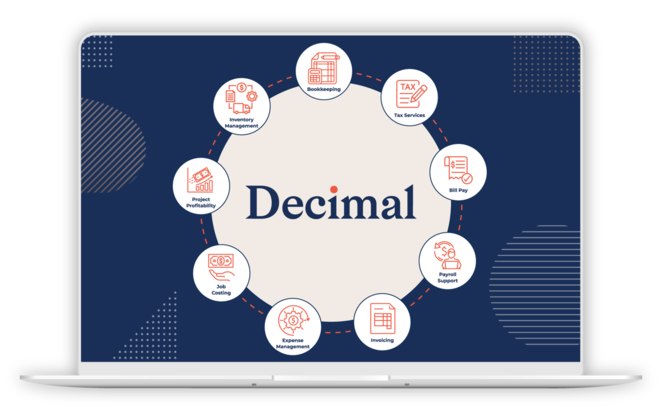
When your workflows, deadlines, billing, and payments all live in one connected practice management platform, your firm is easier to manage, no matter how busy things get.
That kind of control and structure doesn’t just make tax season easier. It sets your firm up for year-round success.
Sponsored Content: This article is generously brought to you by one of our valued sponsors. Their support enables us to continue delivering expert insights and the latest industry trends to our dedicated community of accounting professionals.





Do you have questions about this article? Email us and let us know > info@woodard.com
Comments: